
A capsule wardrobe guide only works if it’s built around one rule: every piece has to earn its place by working with several others, not just looking good on its own. That’s the whole idea behind the 25-piece list below. It sounds restrictive until you realize a tightly chosen 25 pieces covers more real outfits than a packed closet full of items that only work with one specific thing. This guide walks through exactly which 25 pieces make the cut, why this particular mix works, how to build toward it without buying everything at once, and the most common mistakes that quietly sabotage a capsule wardrobe before it gets off the ground.
What Makes a Capsule Wardrobe Actually Work
The concept of a small, deliberately chosen wardrobe isn’t new; writer Courtney Carver popularized a version of it with Project 333, and the underlying logic holds up well beyond any specific number of items. The point isn’t minimalism for its own sake, it’s that decision fatigue and a full-but-unusable closet are two sides of the same problem. When every piece is chosen to pair with several others, getting dressed stops being a daily puzzle and starts being a quick, almost automatic process. That’s the actual goal of a capsule wardrobe guide: not owning less for the sake of it, but owning fewer things that each work harder.
The idea is far from a passing trend. The term traces back to London boutique owner Susie Faux in the 1970s, and it reached a wide audience when Donna Karan launched her Seven Easy Pieces collection in 1985. It has outlasted every micro-trend since, for the simple reason that most people wear roughly 20 percent of their closet 80 percent of the time – and a capsule is designed to close exactly that gap.
The 25 Pieces
Tops (7)
A crisp white tee and a black tee cover the most outfits of anything on this list, so buy the best-fitting versions you can afford. Add a button-down shirt in white or a soft blue for a layer that dresses up jeans or dresses down trousers, plus a silky camisole for warm days or for layering under blazers. Round out the top category with two sweaters, one in a neutral like camel or cream and one in an accent color, and one blouse reserved for dressier occasions where a tee would read too casual.
Bottoms (6)
Dark-wash jeans and a lighter-wash pair cover the widest range of casual and semi-dressy occasions between them. Black tailored trousers are the true workhorse of the category, moving between office and evening without any styling effort. A midi skirt adds a silhouette option that trousers and jeans can’t, tailored shorts fill in warm-weather versatility, and one genuinely comfortable everyday pair, like joggers or a soft wide-leg pant, covers the days that call for comfort over polish.
Dresses (3)
A versatile wrap dress earns its spot because the silhouette flatters a wide range of body shapes and works belted, layered, or worn alone. A casual day dress, ideally in a breathable fabric like cotton or linen, covers errands and daytime plans without effort, while one slightly dressier option handles events, dinners, and the occasions a capsule wardrobe otherwise wouldn’t cover on its own.
Outerwear (4)
A well-tailored blazer instantly elevates almost anything else on this list, which is why it’s worth prioritizing fit here over trend. A denim jacket adds a casual layer that works over dresses and with jeans alike, a quality wool coat handles genuinely cold weather without needing a second heavy coat, and one lighter, rain-appropriate jacket covers the in-between days a wool coat is overkill for.
Shoes (5)
White sneakers and black flats cover the bulk of daily wear, from errands to casual work settings. Heeled boots add polish through fall and winter, sandals take over for warm weather, and one dressier heel handles events without needing multiple special-occasion shoes taking up closet space year-round.
Why This Specific Mix Works
Every item on this list pairs with at least three others, and that’s the actual test for whether something belongs in a capsule, not whether you personally love it in isolation. The black trousers work with the white tee, the blazer, the button-down, and the heeled boots; the wrap dress works alone, layered with the denim jacket, or belted under the wool coat. This is also why neutral colors dominate the list: neutrals maximize the number of possible pairings, which is exactly what a capsule wardrobe is optimizing for. If you want to build out basics beyond this list, our wardrobe essentials guide covers a similar philosophy in more depth, and our elevated basics guide is useful once you’re ready to upgrade quality within each category.
How to Build Toward 25 Pieces on a Budget
You don’t need to buy all 25 pieces at once, and trying to usually backfires by pushing you toward items that don’t actually fit well or suit your life. Build toward this list over a season or two, replacing worn-out basics first and filling true gaps rather than duplicating what you already own. Prioritize spending on the pieces you’ll wear most, typically the trousers, the blazer, and one pair of shoes, and save on pieces worn less often, like the dressier heel or the event dress. Our guide on how to look expensive on a budget covers exactly where higher spending shows and where it doesn’t. Resources like Good On You are also worth checking before buying new basics, since building a capsule wardrobe is a natural moment to also choose more responsibly made pieces that will hold up over repeated wear.
The Capsule Colour Palette
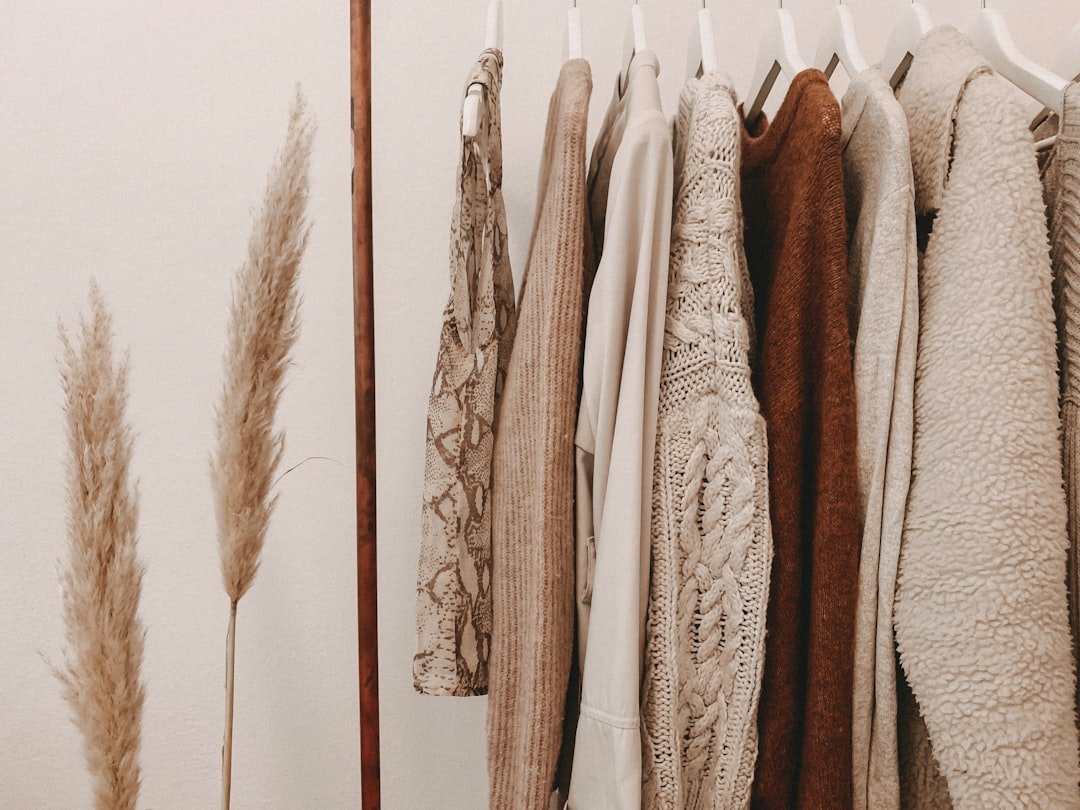
The single ingredient that makes a capsule click is a cohesive palette. Choose two or three base neutrals – black, white, camel, grey, navy – so that every top works with every bottom, then layer in one or two accent colours that flatter your complexion. When everything shares a palette, even a bleary-eyed grab on a Monday morning coordinates by default. This is also why the list above leans neutral: neutrals maximise the number of possible pairings, which is the entire thing a capsule is optimising for.
Seasonal Capsules and Swaps
A capsule does not need rebuilding every season. Keep roughly 70 percent of it constant – the blazer, the jeans, the white shirt, the trousers – and swap the remaining 30 percent as the weather turns, trading sandals and lighter fabrics in summer for boots and wool in winter. Store the off-season pieces out of sight rather than in the working closet, so what you see each morning is only what you can actually wear that week.
Common Capsule Wardrobe Mistakes to Avoid
The most common mistake is buying pieces because they’re technically part of a capsule wardrobe checklist rather than because they suit your actual life; a silk blouse is pointless if you never have an occasion to wear one. Another frequent misstep is skipping the decluttering step, which means new, carefully chosen pieces end up buried in a closet still full of things that don’t pair with anything. It’s also easy to over-index on neutrals to the point the wardrobe feels flat; one or two accent pieces, like the colored sweater in this list, keep a capsule from feeling like a uniform. Finally, treating 25 as a rigid, permanent number rather than a flexible starting point tends to backfire, since your capsule should evolve as your life, climate, and style do. If your closet needs a reset before you start, our guide on how to declutter your closet and only keep what you wear is the right first step.
Frequently Asked Questions
Do I need to buy all 25 pieces at once?
No, build toward this over a season or two, replacing worn-out basics and filling gaps rather than buying everything immediately. Prioritize the pieces you’ll wear most often, like trousers and a blazer, before filling in occasion-specific items like the dressier heel or event dress.
What if my lifestyle needs more than this list covers?
Treat this as a foundation and add category-specific pieces, like workout clothes or formal wear, on top of it, not instead of it. The 25-piece list is meant to cover everyday versatility, not every possible occasion you might ever need to dress for.
Can a capsule wardrobe work with a busy or varied lifestyle?
Yes, and it often works better for busy schedules, since fewer, well-paired pieces mean less time spent deciding what to wear each morning. The key is choosing pieces that flex across your actual weekly activities rather than picking a generic list and hoping it fits your life.
How often should I update my capsule wardrobe?
Revisit it once or twice a year, typically at a seasonal shift, to replace worn-out pieces and reassess whether your current 25 still reflects your life. A capsule wardrobe is a framework, not a fixed list, so it should evolve gradually rather than staying identical year after year.
How many pieces should be in a capsule wardrobe?
Most capsule wardrobes run to about 25 to 40 pieces including clothing, outerwear and shoes. The right number is whatever lets everything mix and match while still covering your lifestyle and climate – 25 is a deliberately tight starting point, not a ceiling.
What colours work best in a capsule wardrobe?
Base neutrals – black, white, camel, grey and navy – work best because they mix effortlessly with each other, plus one or two accent colours chosen to suit your complexion.